
Description
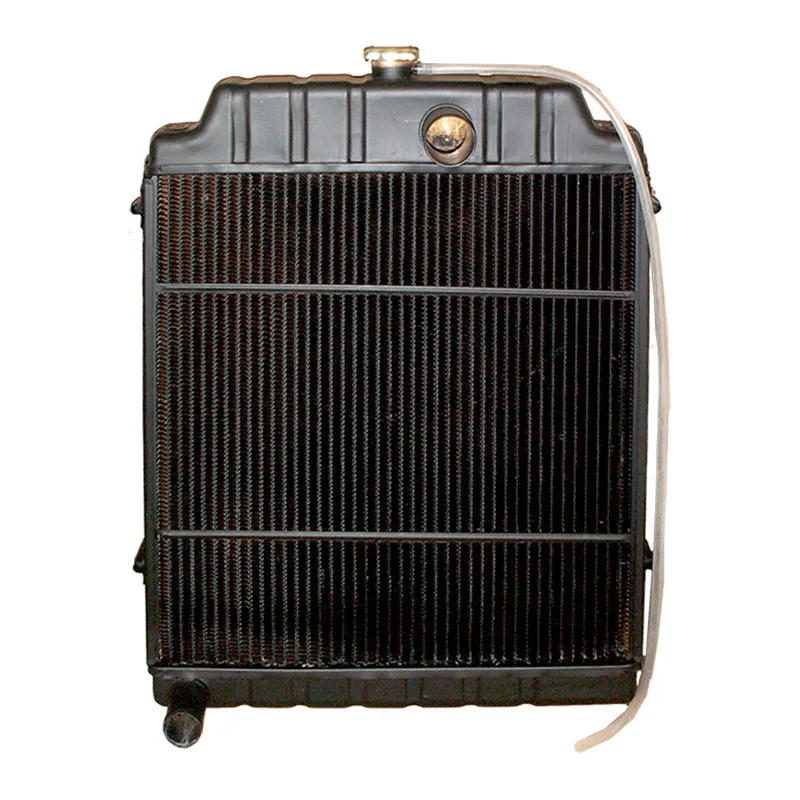
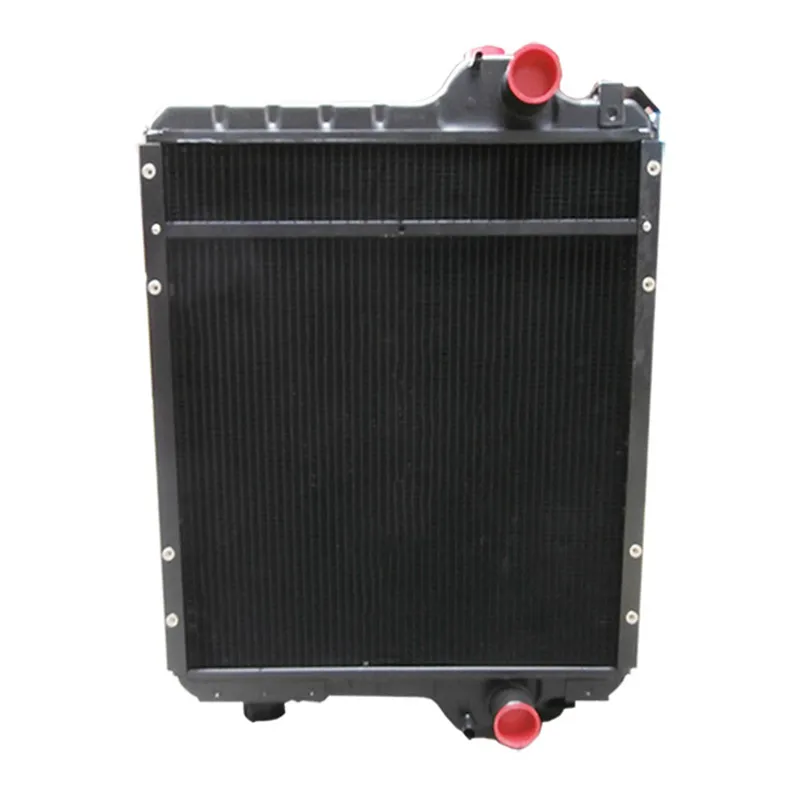
There’s nothing worse than watching your temperature gauge climb into the red zone when you’ve got fields to finish. When your early-model Massey Ferguson 375, 390, or 399 starts running hot or leaving puddles of coolant under the tractor, it’s time to get that cooling system back to where it belongs. This radiator is built specifically for the early tractors with the shorter Perkins 6354 engine setup—not the later configuration that needs a completely different part.
What You’re Getting
- Exact-fit dimensions for early-type Perkins 6354 mounting points and clearances
- High-efficiency core that matches original cooling specifications for heavy workloads
- Robust tank construction designed to handle thermal cycling without cracking
- Direct bolt-in replacement that uses your existing mounting hardware
- Proper core density and fin spacing optimized for the 6354’s heat output
Built for Serious Farm Work
Your MF 375, 390, or early 399 was built to handle the demanding work that pays the bills—pulling heavy implements through tough soil, running PTO equipment for hours, and handling the loader work that smaller tractors just can’t manage. These tractors with the Perkins 6354 engine deliver reliable power, but that means they generate serious heat that needs proper cooling to keep you working when deadlines are tight.
Made to Last
This radiator is engineered to handle everything your farm can throw at it. The core construction resists clogging from crop debris and dust, while the header tanks are reinforced at the stress points where most radiators fail. Quality materials throughout mean this isn’t just a temporary fix—it’s built to provide years of reliable cooling performance in the demanding agricultural environment these tractors call home.
Installation Notes
Make absolutely sure you’ve got the early-type engine before ordering—the late-type radiator won’t fit, and mixing them up means starting over. Completely drain and flush your cooling system first, and take time to inspect those radiator support cushions while you’re at it. If they’re compressed or cracked, replace them now to prevent stress damage to your new radiator. Most folks knock this job out in about two hours, and it’s the perfect time to clean that condenser and check for debris buildup while you’ve got easy access.
Reviews
There are no reviews yet.