Description
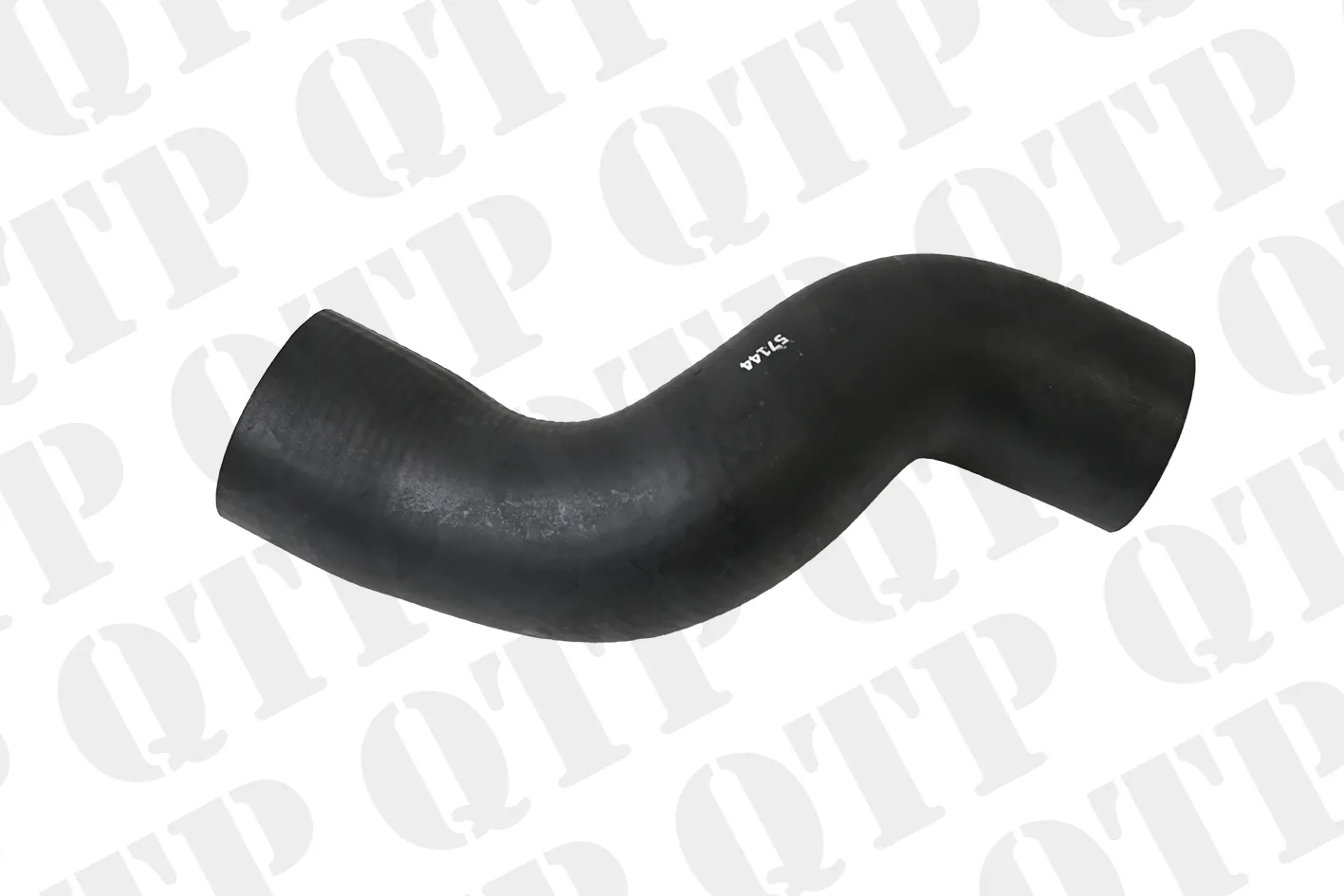
When your tractor starts running warmer than usual or you spot coolant under the machine, there’s a good chance the bottom radiator hose is telling you it’s time for replacement. This is the hose that carries coolant from the bottom of the radiator back to the water pump, and when it fails, your engine’s in trouble fast. A split or collapsed lower hose can turn a productive day into an emergency repair session, especially when you discover it through an overheated engine rather than preventive maintenance.
What You’re Getting
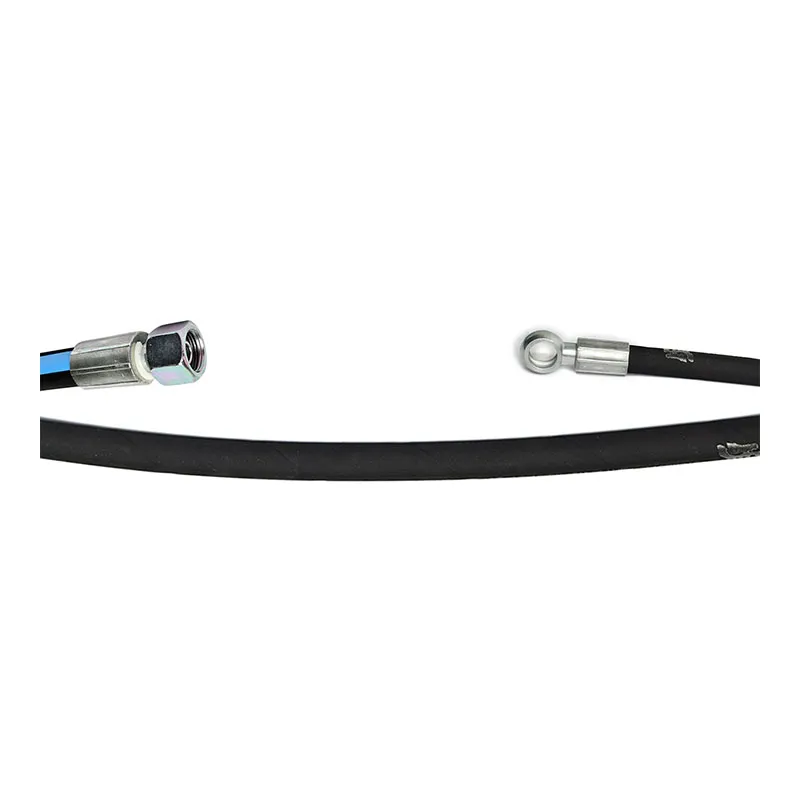
- Reinforced construction that maintains its shape under the strong suction created by the water pump
- Rubber compound that resists deterioration caused by hot coolant and engine compartment conditions
- Built with materials that stay flexible through temperature swings and won’t crack or split when you need your tractor most
- Pre-formed shape ensures proper fit without kinking or restricting flow
Built for Real Farm Work
These John Deere 6000 and 6010 series tractors are the workhorses you’ll find on diversified farms everywhere—pulling planters in spring, running hay equipment in summer, and handling loader work year-round. Whether you’re running a 6200 on a dairy operation or pushing a 6410 through heavy tillage, these mid-range utility tractors need reliable cooling to keep up with the workload you throw at them. These mid-size tractors handle everything from cultivating and planting to hay work and loader duties, so they need cooling systems that can keep up with long days in dusty conditions.
Made to Last
Farm equipment cooling systems work hard, and the bottom radiator hose takes the brunt of heat, pressure, and vibration. The water pump inlet hose is under constant suction, pulling coolant from the radiator. When it ages and softens, it can collapse internally, restricting flow even though it looks fine from the outside. This replacement hose prevents those mysterious overheating issues that catch you off guard.
Installation Notes
Drain your cooling system completely before starting the swap. Clean those hose connection points to ensure good seals, and position clamps away from bends to prevent kinking. While you’ve got the system drained, it’s the perfect time to flush out old coolant and check your thermostat – new hoses deserve fresh coolant that won’t attack the rubber with built-up acids.
Reviews
There are no reviews yet.