
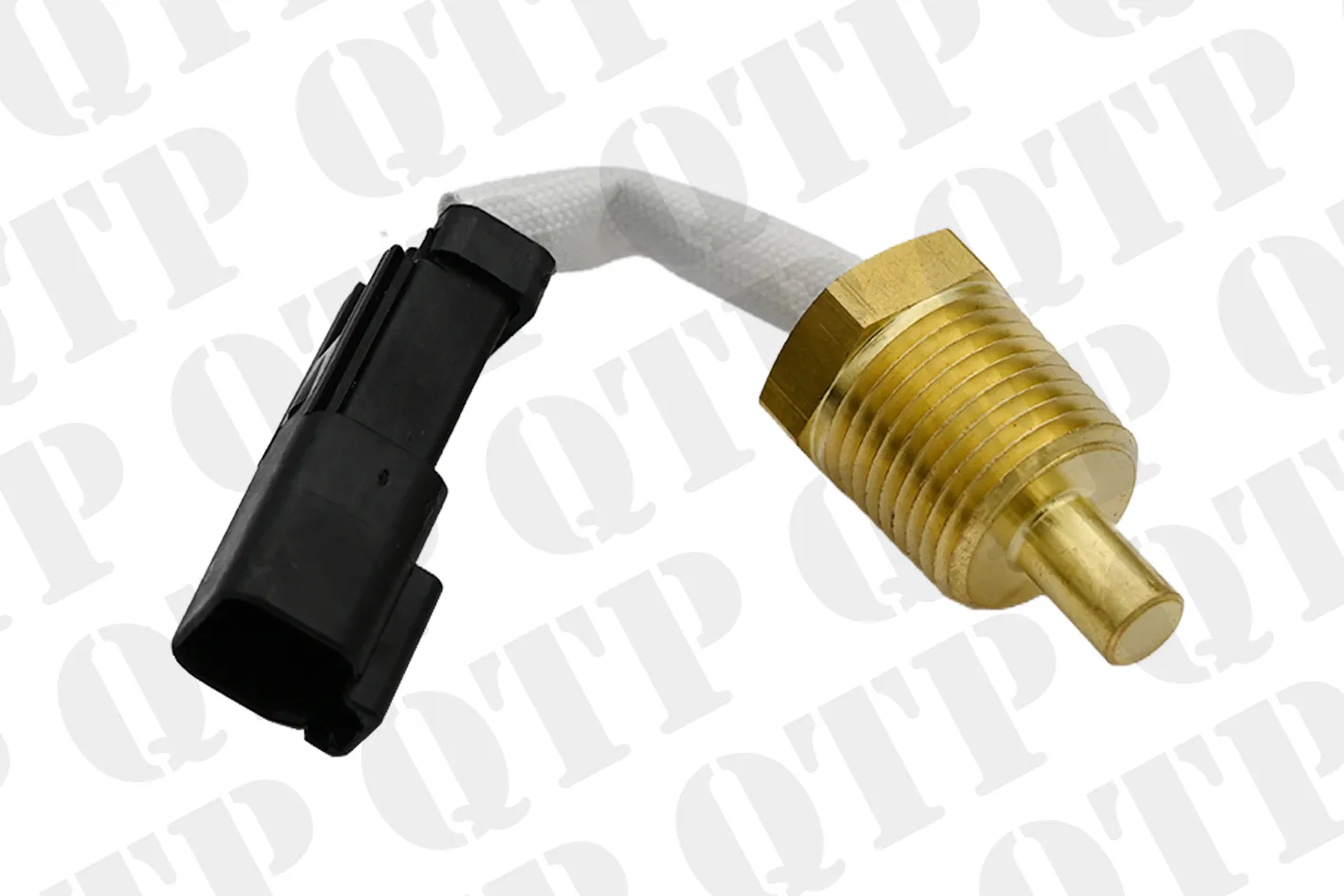
Description
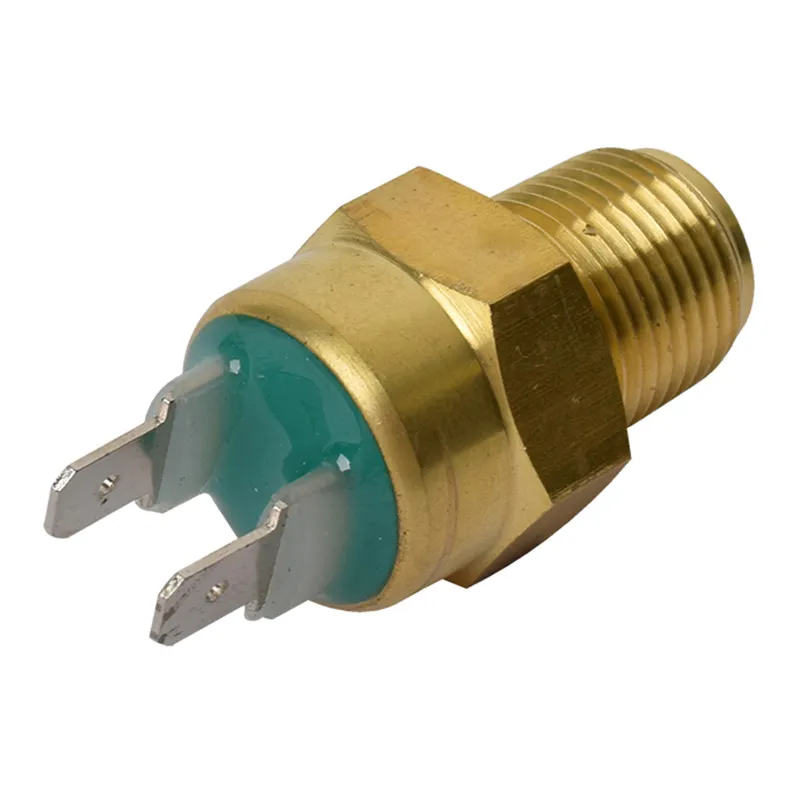
When your temperature gauge starts acting up or you’re getting engine warning lights, there’s a good chance your coolant temperature sensor has given up the ghost. This sensor alerts you to temperature issues before they become catastrophic engine failure, and when it’s not working right, you’re flying blind on one of your engine’s most critical systems. A faulty sensor can leave you stranded in the middle of harvest or lead to expensive overheating damage.
What You’re Getting
- Quick response to temperature changes provides early warning of cooling system problems so you can shut down before damage occurs
- Precision-calibrated sensing element delivers accurate readings to your dashboard temperature gauge
- Durable electrical connections that resist corrosion from engine heat and moisture
- Direct replacement design fits right into your existing cooling system without modifications
- OEM-quality construction interfaces seamlessly with your tractor’s temperature monitoring system
Built for Demanding Farm Work
This sensor is engineered for the big tractors that handle your heaviest field work—Case IH Magnum series machines that pull wide implements and Ford New Holland TG series tractors that power through long days. These tractors frequently operate for extended periods under high loads during critical farming seasons including planting, cultivation, harvesting, and field preparation, making accurate temperature monitoring essential for preventing costly downtime.
Made to Last
Coolant sensors live in a harsh environment – immersed in hot coolant with its corrosive additives, subject to pressure cycles, and exposed to temperature extremes. This sensor is built to handle all that abuse while maintaining accurate readings season after season. The sensing element won’t drift over time, and the electrical connections stay tight even with constant engine vibration.
Installation Notes
Installation requires draining a small amount of coolant from the system before removing the old sender. Clean the threaded mounting location thoroughly and apply appropriate thread sealant to prevent leaks. The sensor threads into the cooling system just like the original, and your temperature gauge should start reading properly as soon as you fire up the engine and let it warm up.
Reviews
There are no reviews yet.