
Description
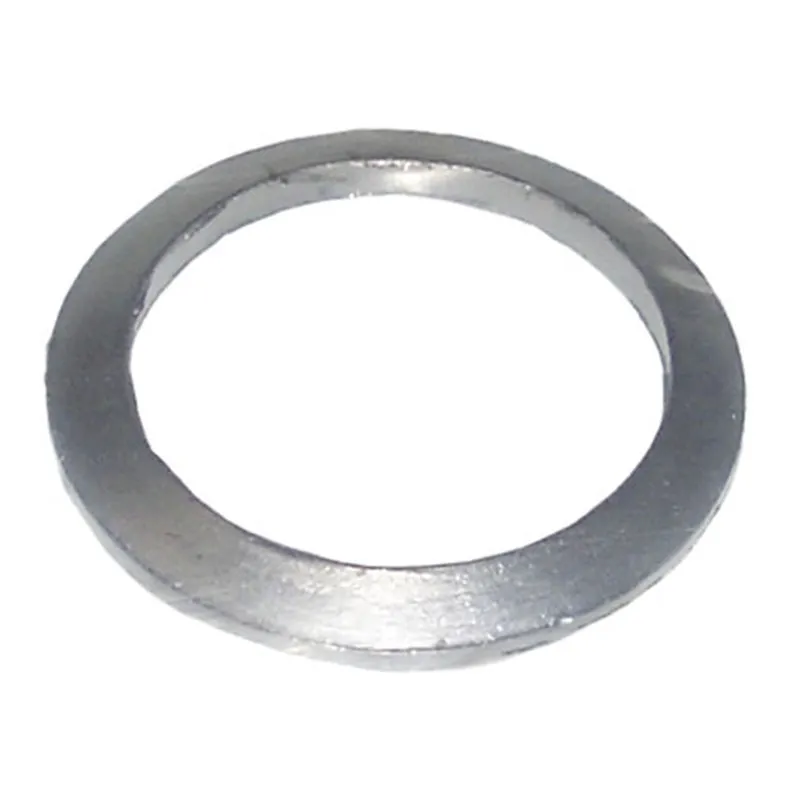
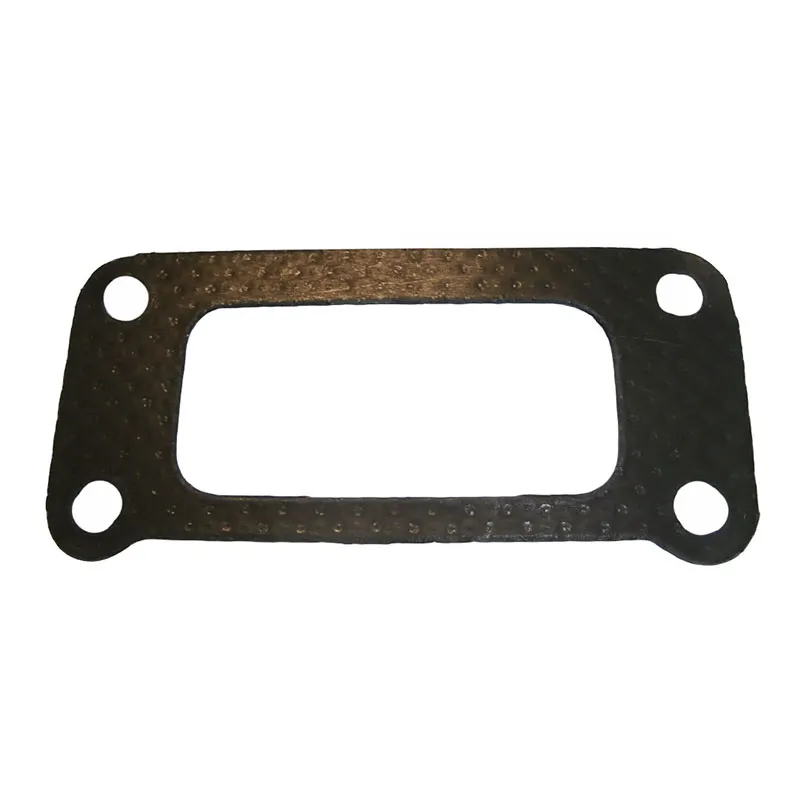
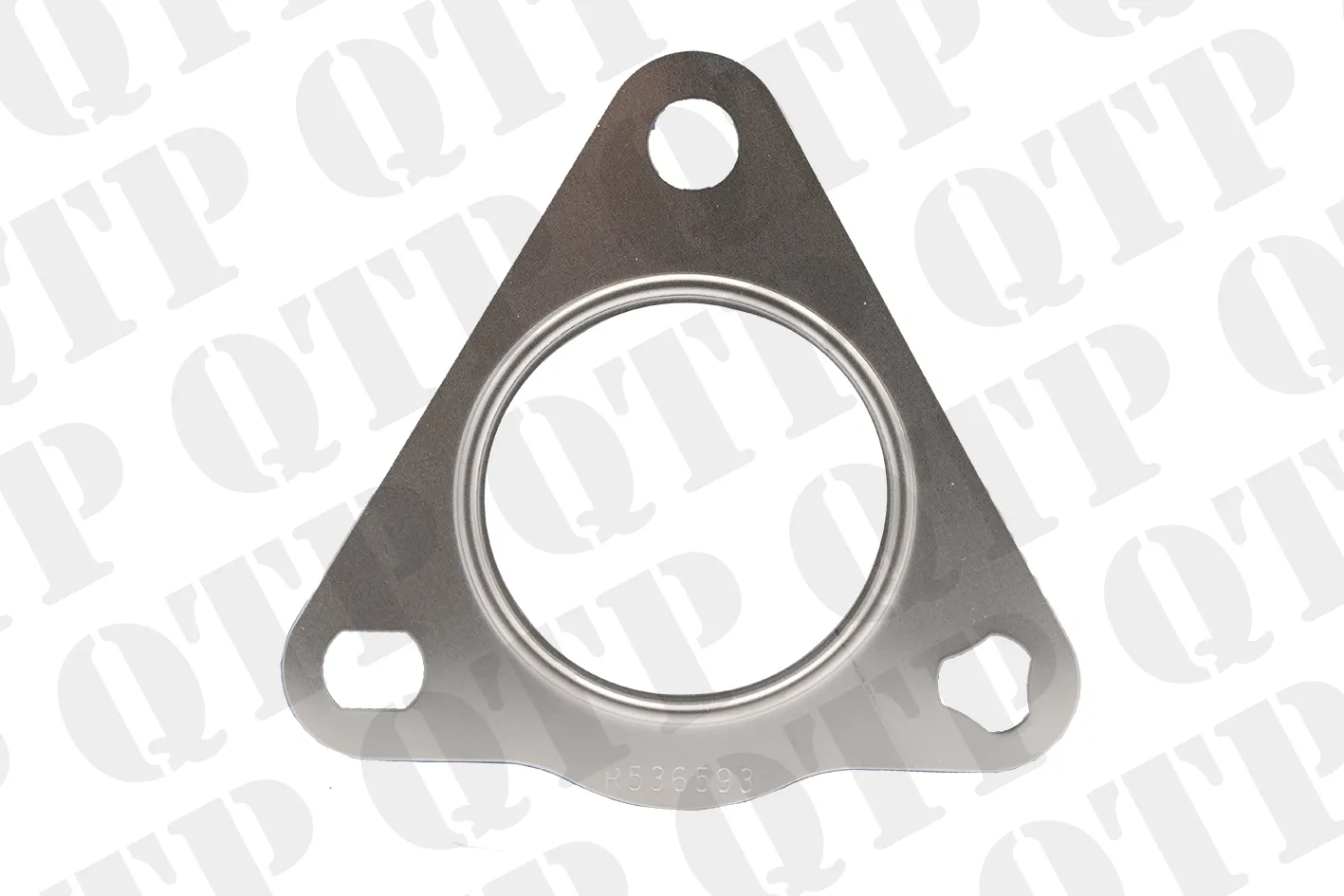
When you start hearing that telltale ticking from under the hood, especially when the engine warms up, it’s your exhaust manifold gasket calling for help. Hot exhaust gases escaping through a worn gasket don’t just make noise—they rob power, create dangerous fumes in your work area, and can warp expensive manifold parts if left alone. This replacement gasket restores the proper seal between your manifold and engine block, getting you back to quiet, efficient operation.
What You’re Getting
- Universal fit across Zetor’s extensive model range from compact 3320s to powerful 7540s
- High-temperature materials that won’t burn through like cheaper alternatives
- Compressible design that seals minor surface imperfections on older tractors
- Direct replacement that eliminates guesswork about compatibility
- Quality construction that handles the extreme heat and pressure cycling of farm work
Built for Real Farm Work
The beauty of Zetor engineering shows in parts like this—one gasket fits everything from your 3320 running a bush hog to your 7540 pulling heavy tillage. Whether you’re depending on a 4320 for hay work or using a 6245 for loader duties, they all share this same critical sealing component. When it fails, you’ll see black soot around the manifold connection and smell exhaust fumes that shouldn’t be there.
Made to Last
Exhaust gaskets face some of the harshest conditions in your engine—direct exposure to combustion gases over 1000 degrees and constant pressure pulses that would destroy ordinary materials. This gasket uses specialized compounds that maintain their sealing ability despite these extremes, compressing properly during installation while resisting the burn-through that causes repeat failures.
Installation Notes
Those old manifold studs are probably corroded solid, so start soaking them with penetrating oil days before the job. Clean both surfaces thoroughly—any old gasket material left behind prevents proper sealing. Install the gasket dry without sealant, and tighten bolts gradually in sequence to avoid warping. A little ticking during initial warm-up is normal as everything expands to working temperature.
Reviews
There are no reviews yet.