
Description
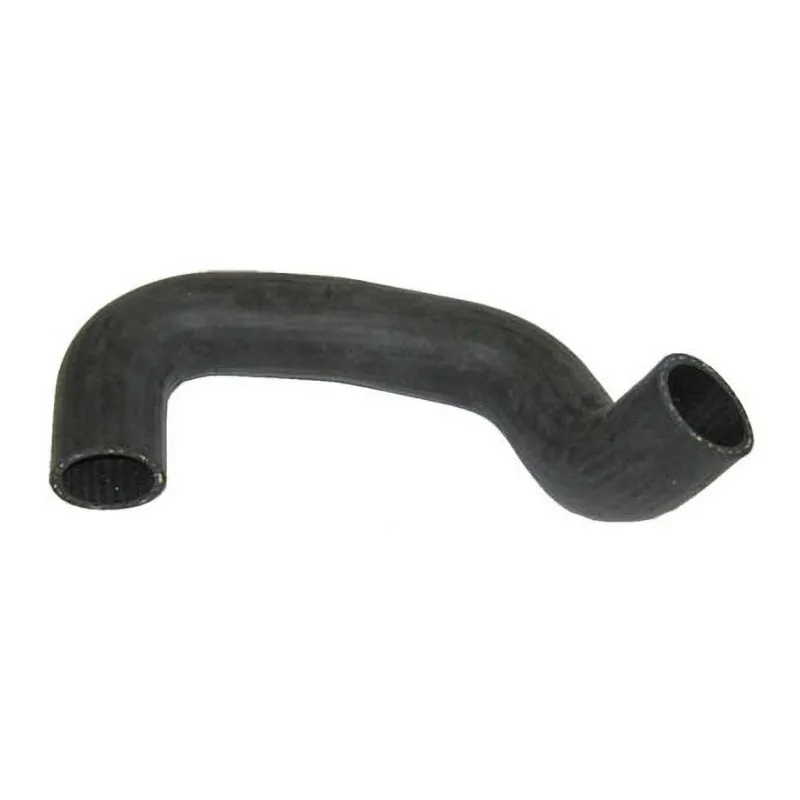
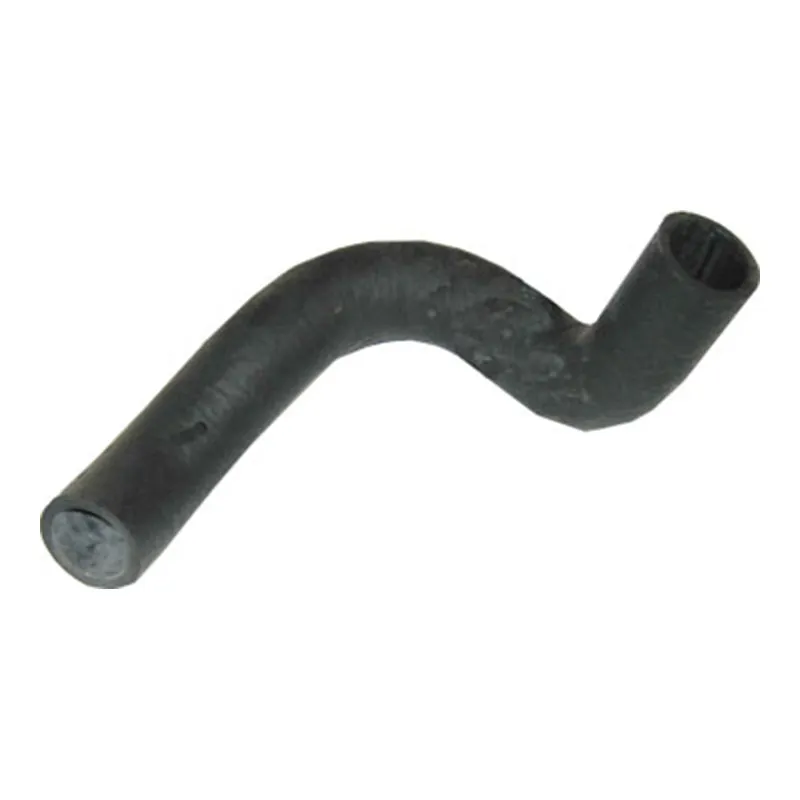
When you notice coolant spots under your tractor or see the temperature gauge creeping up during heavy work, there’s a good chance your lower radiator hose is the culprit. The water pump inlet hose is under constant suction, pulling coolant from the radiator. When it ages and softens, it can collapse internally, restricting flow even though it looks fine from the outside. This replacement bottom hose restores proper coolant circulation and keeps your engine running at the right temperature.
What You’re Getting
- Direct replacement for the original lower radiator connection that feeds coolant to your water pump
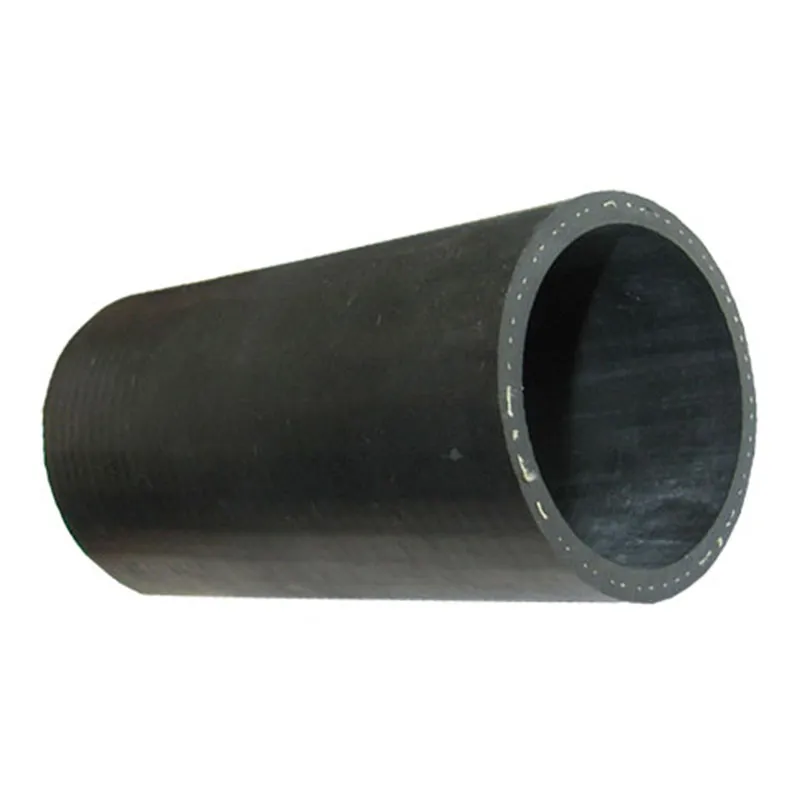
- Reinforced construction maintains its shape under the strong suction created by the water pump, preventing the collapse that causes mysterious overheating issues
- The rubber compound resists the deterioration caused by hot coolant, oil contamination, and the ozone that attacks rubber in engine compartments
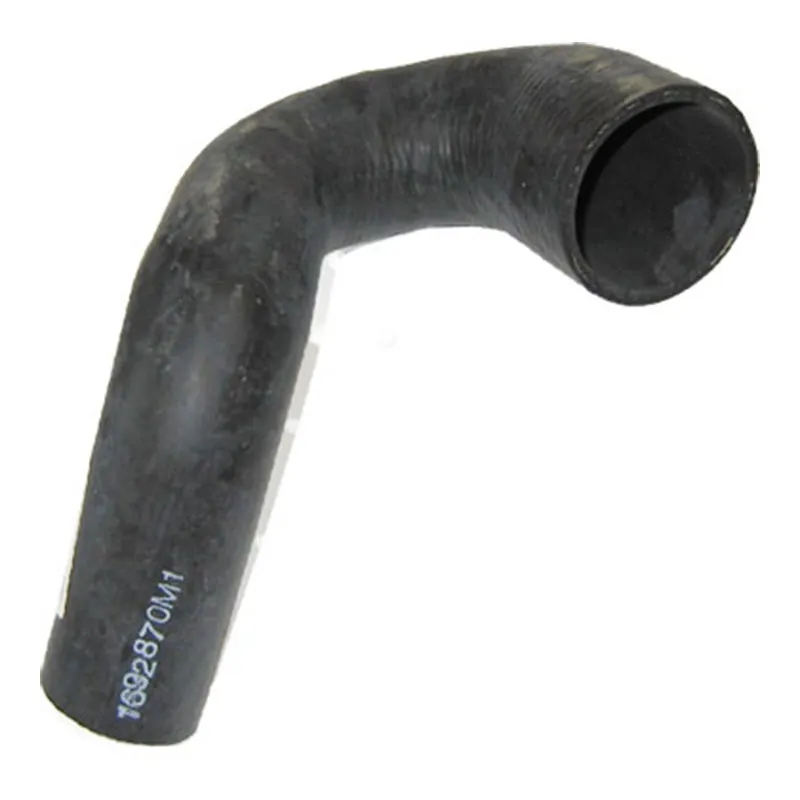
- Pre-formed bends match your tractor’s routing, preventing kinks that restrict flow
Built for Real Farm Work
Whether your TS80 is running a disc mower, your TS100 is pulling a round baler, or your TS110 is on loader duty feeding cattle, these tractors put in long days. When you’re running hay equipment on a hot July afternoon or pushing through tough tillage work, your TS Series tractor needs a cooling system that won’t let you down. These 40 Series and TS Series tractors generate serious heat, especially when you’re working the hydraulics hard or running PTO equipment in summer conditions.
Made to Last
This isn’t just radiator hose cut to length – it’s specifically designed for the water pump inlet application. It’s engineered to handle the constant pressure changes and temperature swings that come with farm work, from cold morning starts to long days in dusty fields.
Good to Know
Replacing an inlet hose means draining the cooling system, so have containers ready and plan the job accordingly. The old hose is probably stuck tight after years of heat cycles – twist while pulling rather than just yanking. A thin coat of coolant on the hose ends makes installation easier and helps seal minor imperfections. While you have the system drained, flush it completely if the coolant looks questionable. Replace those old worm clamps with quality constant-tension clamps that maintain pressure as the hose ages.
Reviews
There are no reviews yet.