
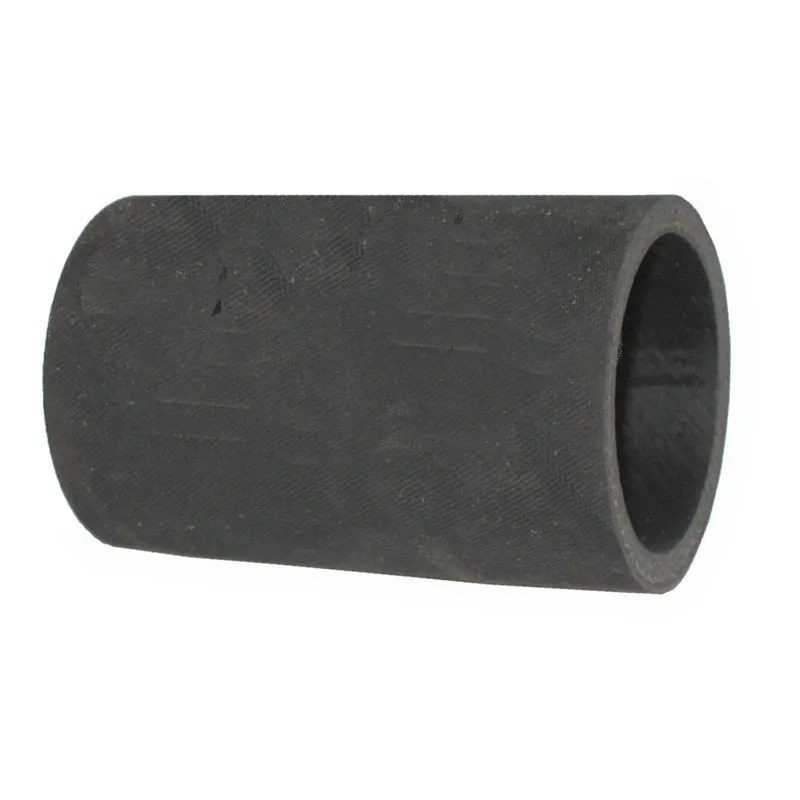
Description
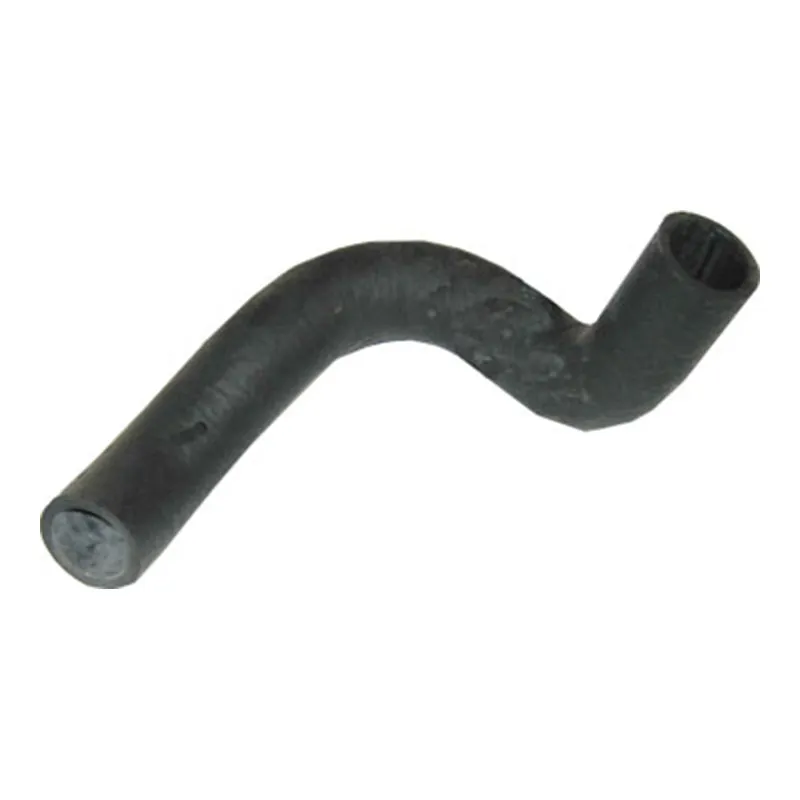
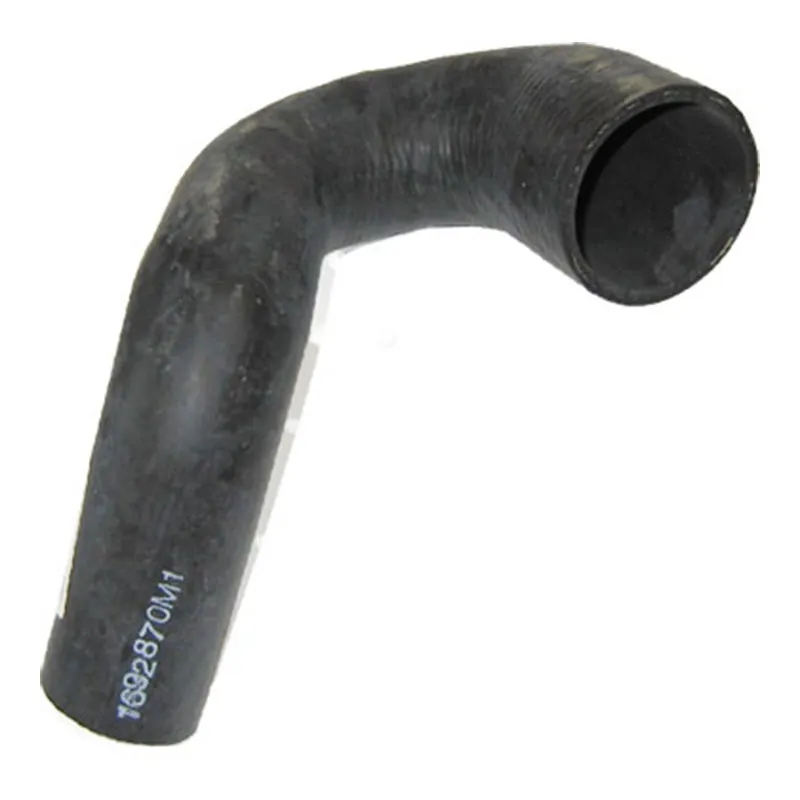
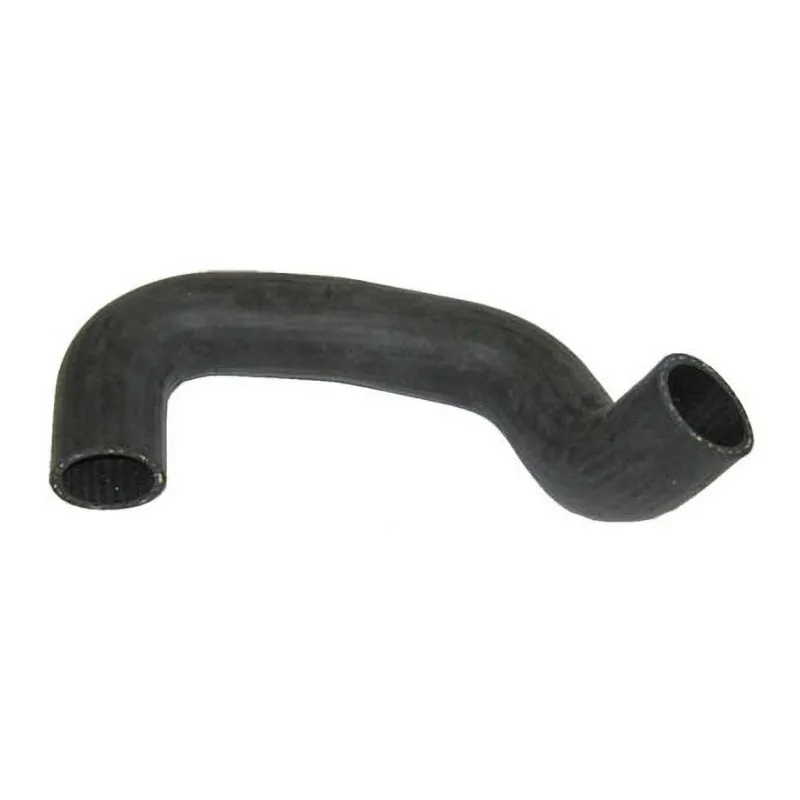
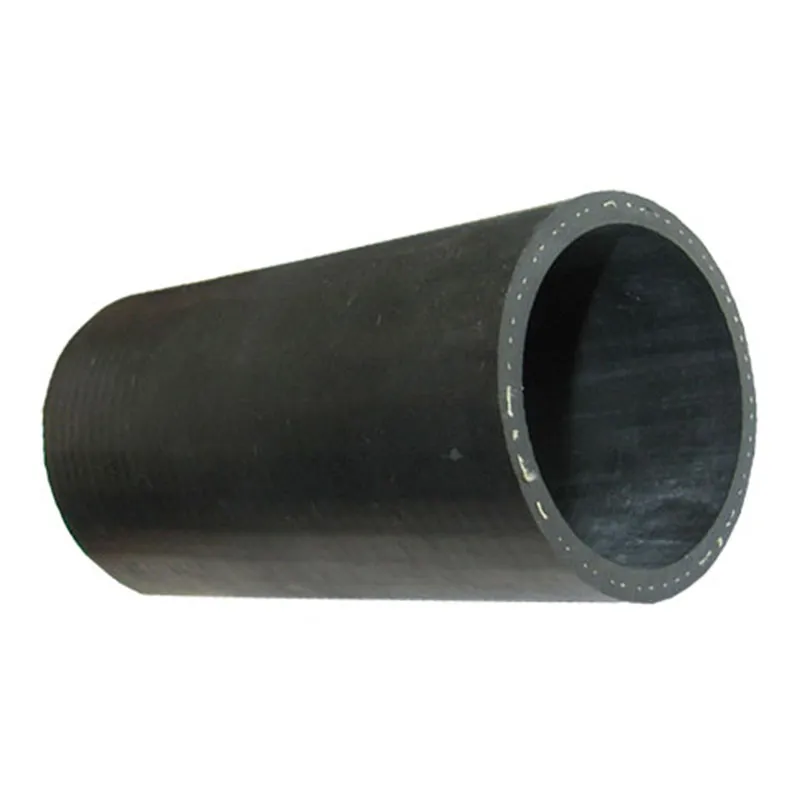
Nothing’s worse than being in the middle of hay season and watching your temperature gauge climb toward the danger zone. The radiator/cooling system hoses carry coolant through the radiator and back through the engine to keep it operating at an optimal temperature, and when that bottom hose starts getting soft or develops a leak, you’re looking at potential engine damage if you don’t take care of it.
What You’re Getting
- Direct replacement for the lower radiator connection—no guessing about fit
- Pre-formed shape prevents kinks that restrict coolant flow
- Heat-resistant rubber that handles the constant temperature cycling in your engine compartment
- Reinforced construction that won’t collapse under the suction from your water pump
- Quality clamp surfaces that create a leak-free seal you can trust
Built for Real Farm Work
This hose serves a wide range of tractors from compact utility models up through mid-size workhorses. Whether you’re running a TL80 on hay equipment, using a Fiat 85-90 for loader work, or depending on a Case JX75 for daily chores, these tractors put in long hours under tough conditions. The bottom radiator hose handles the return flow from the radiator back to the engine, and it’s under constant pressure and temperature changes as your cooling system does its job.
Made to Last
Cooling system hoses live a hard life—they’re constantly expanding and contracting with temperature changes while dealing with hot coolant, engine vibration, and exposure to oils and chemicals around the engine bay. This hose is built with materials that resist the deterioration that causes sudden failures, because the last place you want a cooling system failure is halfway through a critical field operation.
Installation Notes
When you’re replacing this hose, it’s smart to drain the cooling system anyway, so take a good look at your other cooling system components. Before you install the new radiator, take a good look at your radiator hoses. If they’re getting soft or showing cracks at the clamps, now’s the time to replace them. Clean the connection points thoroughly and use quality constant-tension clamps for the best seal.
Reviews
There are no reviews yet.