
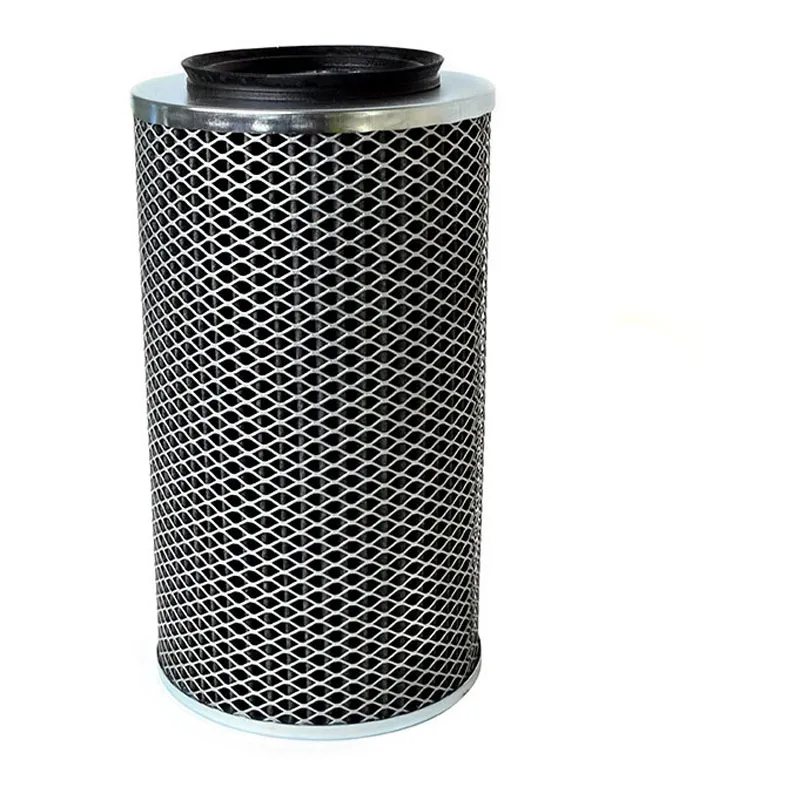
Description
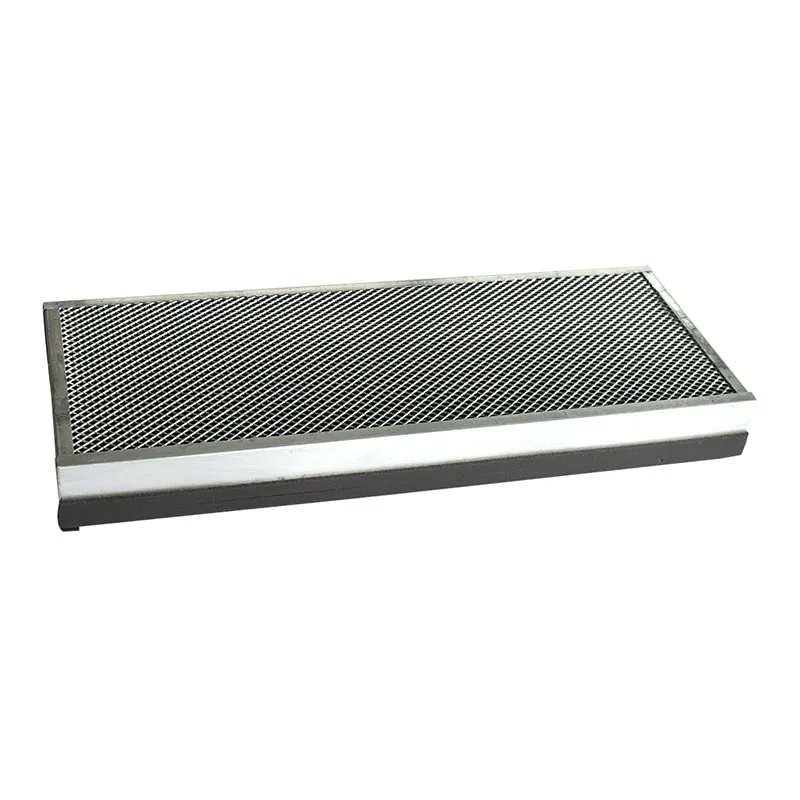
When you’re spraying chemicals or working near fields that just got treated, the last thing you want is breathing in those fumes all day long. This activated carbon cab filter goes beyond regular dust protection—it actually absorbs chemical vapors, pesticide odors, and diesel fumes that would otherwise make their way into your cab. If you’ve ever worked through spray season or near livestock operations and noticed those unpleasant smells getting into your tractor, this filter is exactly what you need.
What You’re Getting
- Activated carbon technology that captures both particles and chemical vapors
- Multi-layer design that removes dust, pollen, and odors in one filter
- Chemical vapor protection that’s critical during spray applications
- Industrial-grade construction that maintains airflow while maximizing filtration
Built for Real Farm Work
This filter fits the big John Deere tractors that handle the serious work—from the 7020 series workhorses like the 7820 and 7920, up through the powerful 8000 series machines. These are the tractors you’re running when there’s serious acreage to cover, whether you’re spraying crops, spreading fertilizer, or working fields where chemical applications are part of the operation. The activated carbon layer becomes essential when you’re dealing with agricultural chemicals or working downwind from other spray operations.
Made to Last
Farm work is tough on filters, and this one’s built to handle the punishment. The activated carbon layer maintains its effectiveness even when you’re working long days in challenging conditions. The sturdy frame prevents collapse under the pressure differentials your cab ventilation system creates, ensuring consistent performance throughout its service life.
Installation Notes
Carbon filters often have specific airflow directions marked with arrows, so pay attention to orientation when installing. The carbon layer typically faces the incoming air side for maximum effectiveness. Access varies by model—some are behind dash panels, others under seats or in the roof console. Replace these more frequently than standard filters since the carbon eventually becomes saturated. If you’re doing a lot of chemical applications, keep a spare on hand.
Reviews
There are no reviews yet.