
Description
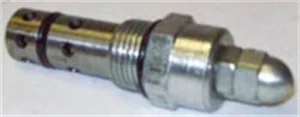
When your hydraulic system starts running sluggish or you’re worried about pressure spikes damaging your equipment, this relief valve assembly steps in to keep things running smooth and safe. It’s designed to work with Cross BA-1 spool valves and handles pressures from 1500 to 3000 PSI – giving you the flexibility to dial in exactly what your implements need while protecting your hydraulic components from costly damage.
What You’re Getting
- Adjustable pressure range from 1500 to 3000 PSI – tune it to match your specific equipment needs
- Quick-response design that opens fast when pressure builds up, protecting your system before damage occurs
- Heavy-duty construction that handles the constant pressure cycling and contamination that comes with farm work
- Direct bolt-on replacement – no modifications or special fittings required
- Spring-loaded valve technology that stays accurate even after thousands of cycles
Built for Real Farm Work
This assembly works with Cross BA-series hydraulic control valves commonly found on utility tractors and compact equipment – the kind of machines you’ll see powering front-end loaders, three-point implements, and hydraulic cylinders on farms from 50 to 500 acres. Whether you’re running a brush hog, operating a loader, or powering a hydraulic log splitter, this valve keeps your system operating within safe limits so you can focus on getting work done.
Made to Last
Farm hydraulics take a beating with dirt, moisture, temperature swings, and constant pressure changes. This relief valve is built to handle all of that while maintaining accurate pressure control. The internal components resist wear from contaminated hydraulic fluid, and the spring mechanism stays calibrated even after years of protecting your system from pressure overloads.
Good to Know
Installation requires depressurizing your hydraulic system first – safety always comes first with high-pressure hydraulics. Set the pressure according to your implement manufacturer’s specs, and test it at different flow rates before putting the machine back to work. A quick tip: if you’re not sure what pressure setting to use, start conservative and work your way up – it’s easier to increase pressure than replace damaged seals.
Reviews
There are no reviews yet.