Description
When your loader starts feeling loose or stops responding like it should, you know it’s time for a control cable replacement. There’s nothing worse than fighting with sloppy controls when you’re trying to place a bale just right or load feed without making a mess. This replacement cable keeps your Quicke front loader operating smoothly and precisely, so you can handle everything from moving hay bales to cleaning out barn lots without fighting your controls.
What You’re Getting
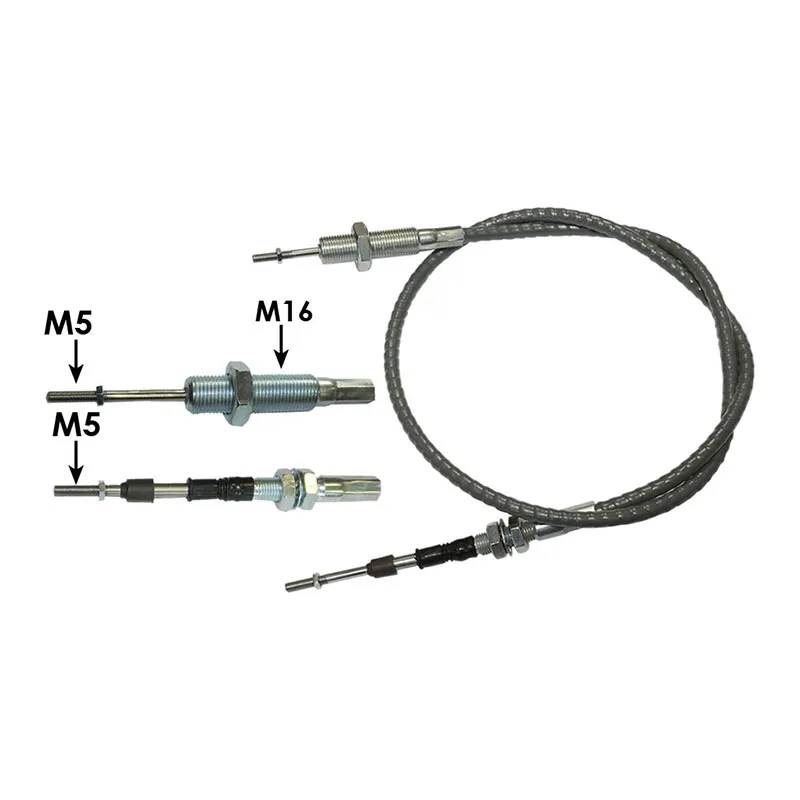
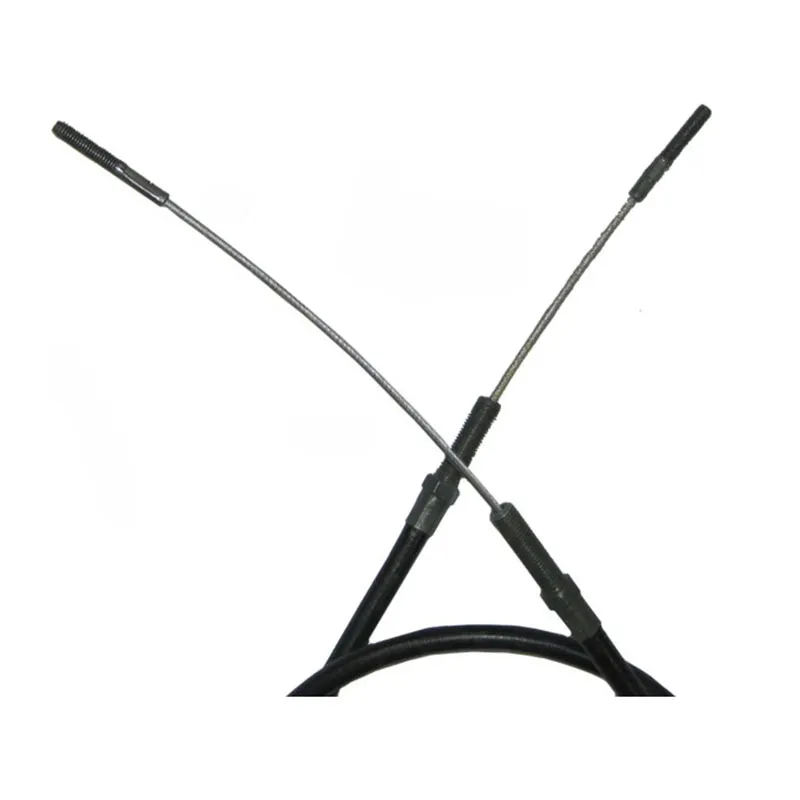
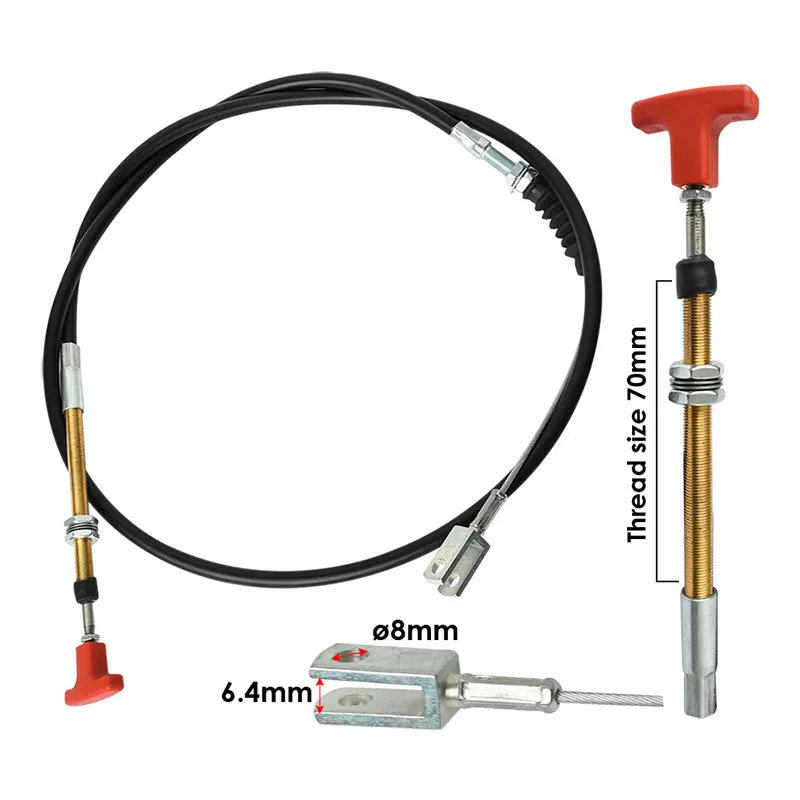
- 59″ length provides proper reach for most Quicke loader setups
- Threaded ends give you secure mounting and let you fine-tune the tension
- Heavy-duty construction that won’t stretch or bind under repeated use
- Direct replacement—no modifications needed to get back to work
- Built to handle the constant movement and forces that come with loader operation
Built for Real Farm Work
Quicke front loaders are workhorses on farms and ranches, handling everything from feeding livestock and moving round bales to cleaning barns and loading trucks. Whether you’re running a dairy operation that needs precise bucket control for feed mixing, moving heavy materials around construction sites, or just doing general farm cleanup, your joystick needs to respond exactly when you need it to. A worn cable can make simple tasks frustrating and unsafe.
Made to Last
Front loader cables take constant stress from repeated flexing and the high forces involved in hydraulic control systems. This cable features a heavy-duty inner wire that resists stretching even under heavy loads. The outer casing stays flexible in cold weather while protecting the inner cable from contamination. The threaded ends provide solid, adjustable connections that won’t come loose when you’re working hard.
Installation Notes
The threaded ends make this cable easy to adjust for proper tension—too loose and you’ll have dead spots in your controls, too tight and everything feels stiff. Most Quicke systems have adjustment points near the valve end to fine-tune the cable tension. Before removing the old cable, note exactly how it’s routed – taking a quick photo saves confusion later. Route the new cable following the same path as the original, avoiding sharp bends or contact with hot hydraulic components.
Reviews
There are no reviews yet.