
Description
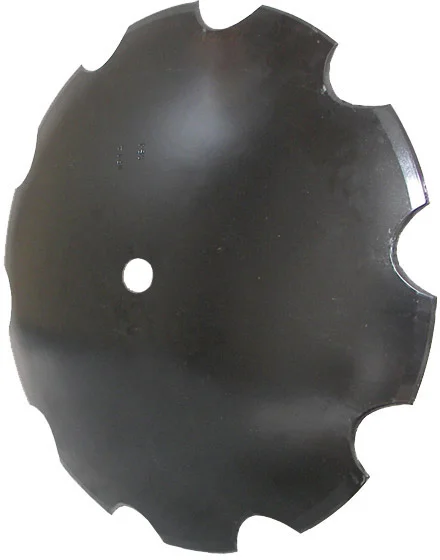
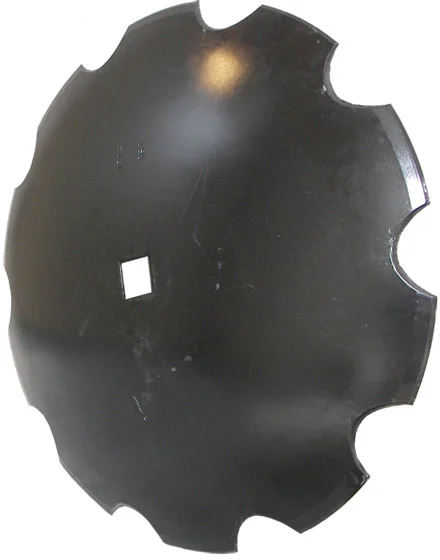
When your disc harrow starts riding over corn stalks instead of slicing through them, it’s time for fresh blades that’ll get back to business. Worn or damaged disc blades turn field work into a frustrating exercise – making extra passes, leaving streaks of uncut residue, and fighting through fields that should be getting sized and incorporated. This 26-inch notched blade from Osmundson brings back the aggressive cutting action your disc harrow was built to deliver.
What You’re Getting
- Notched edge design creates a scissor action that slices through tough stalks other blades just bend over
- Boron 15B26 steel maintains 46-52 Rockwell hardness – hard enough to hold an edge through acres of tough tillage, but not so brittle it shatters when you clip that hidden field stone
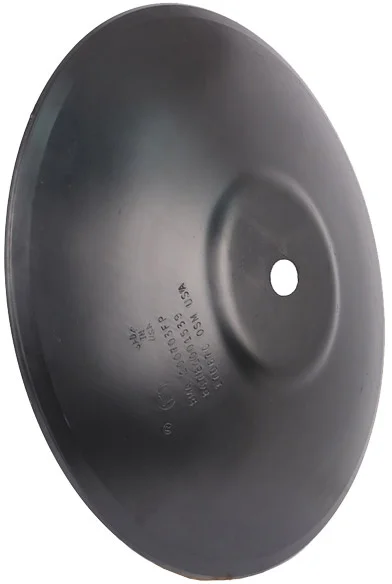
- 1/4-inch thickness provides the beef needed for long service life, while the 4.00-inch concavity creates aggressive soil-throwing action that buries residue and levels fields
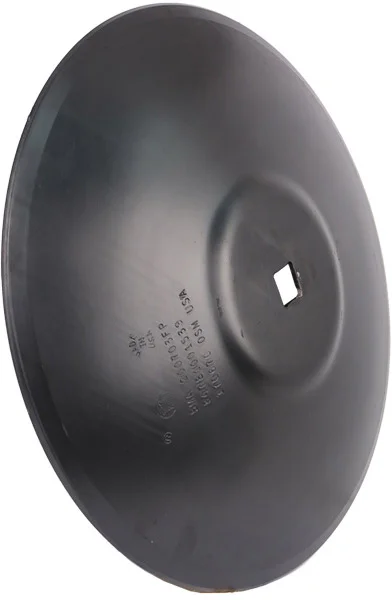
- Combo hole design fits 1-1/2 inch square by 1-3/4 inch round axles for versatile mounting options
Built for Real Farm Work
Your disc harrow needs to do more than just roll over crop residue – it needs to cut, size, and mix that material into the soil profile. In high-residue conditions like continuous corn or after cover crops, that notched edge makes the difference between effective residue management and a plugged-up mess that forces you to make extra passes. The 26-inch diameter gives you the ground speed and soil penetration needed for primary tillage work on larger tractors and heavy-duty disc harrows.
Made to Last
Osmundson doesn’t mess around with blade materials. This Boron 15B26 steel maintains the perfect hardness range to handle the rocks, roots, and tough conditions that come with real farm work. The heat-treated construction resists chipping and cracking while holding a sharp cutting edge season after season.
Good to Know
Field-proven wisdom: Notched blades excel in heavy residue but can be too aggressive in light soils or minimal trash conditions. Many operators run notched blades on front gangs for cutting, smooth on rear for finishing. When replacing blades, never mix worn and new on the same gang – the diameter difference creates uneven cutting. Track your blade wear by measuring diameter annually; most blades are shot when they’ve lost 3-4 inches.
Reviews
There are no reviews yet.