
Description
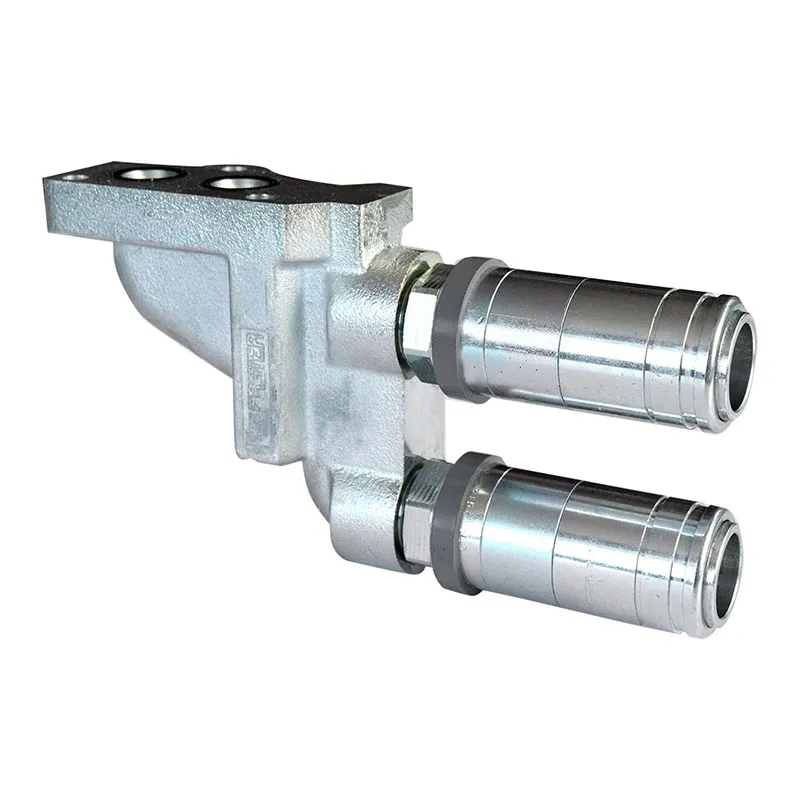
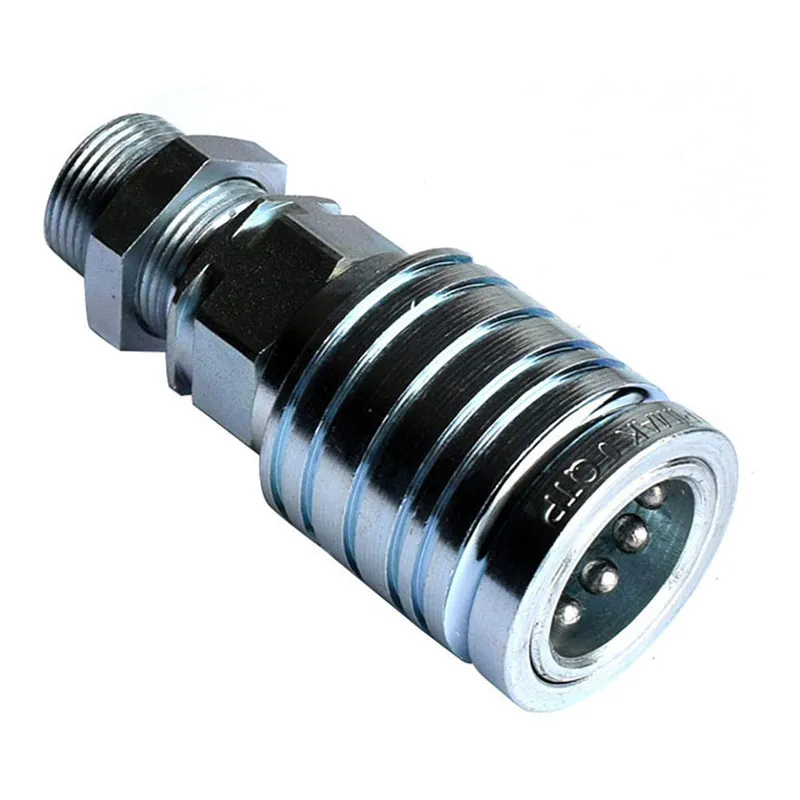
If you’ve noticed your hydraulic quick-connect couplers getting harder to connect or starting to leak around the fittings, this manifold might be the culprit. This hydraulic spool valve is the heart of your tractor’s rear remote hydraulic system, controlling the flow of hydraulic fluid to your implements. When you’re running a loader, operating a finish mower, or using any hydraulic attachment, this valve is what lets you control the action smoothly and precisely. When this left-hand manifold housing starts to wear, you’ll get poor coupling fit and hydraulic fluid leaks that make a mess and waste money.
What You’re Getting
- This is the left-hand side manifold housing – you’ll need the opposite side housing (QTP-43840) for a complete repair
- Built to work with the 3029G quick release coupling spool valve system for proper hydraulic flow control
- Direct replacement part that bolts right into your existing hydraulic block without modifications
- Engineered from premium materials that handle the heat, pressure, and chemical properties of modern hydraulic fluids
Built for Real Farm Work
This valve controls your tractor’s rear remote hydraulics, which power everything from front-end loaders and backhoes to finish mowers, post hole diggers, log splitters, and hydraulic tillers. Whether you’re moving hay bales, grading driveways, bush-hogging pastures, or running a hydraulic-powered implement, smooth hydraulic operation is crucial for getting work done efficiently and safely.
Made to Last
Your Ford New Holland 10-series, 30-series, and TW tractors are hydraulic workhorses – from running front-end loaders moving round bales to operating hydraulic top links and remote cylinders on implements. The Industrial series machines push hydraulics even harder with backhoes and heavy loader work. This manifold housing is built to handle those demanding applications without cracking or warping under pressure.
Good to Know
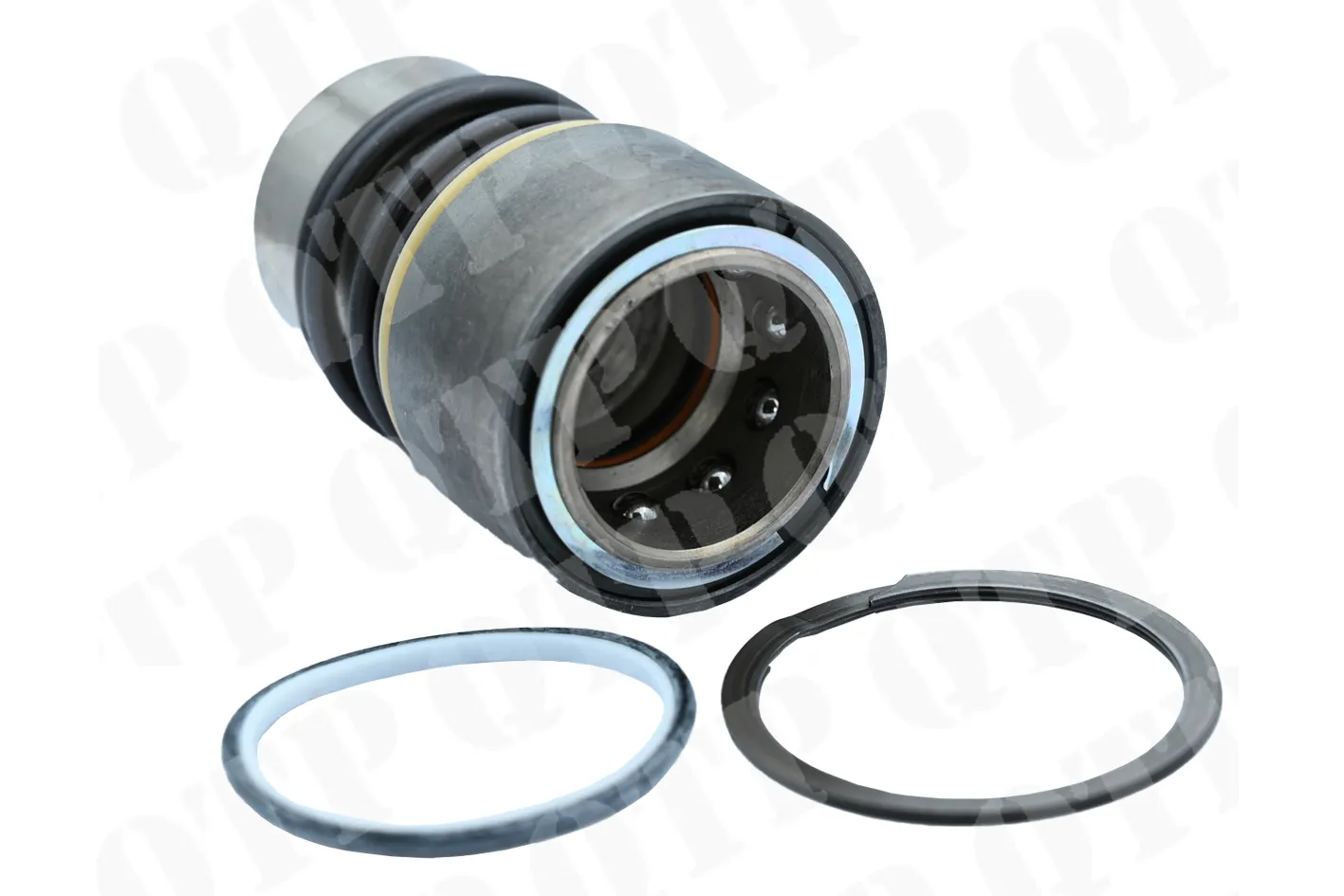
You’ll still want to relieve hydraulic pressure before starting work, and keep the system clean during installation to prevent contamination. Clean your coupling thoroughly before installation – any dirt or metal particles will damage new seals quickly. Use a seal pick or plastic tool to remove old seals without scratching seal surfaces. Lubricate new seals with clean hydraulic fluid before installation, never use grease. Remember this is just one side – check if you need the opposite housing too.
Reviews
There are no reviews yet.