
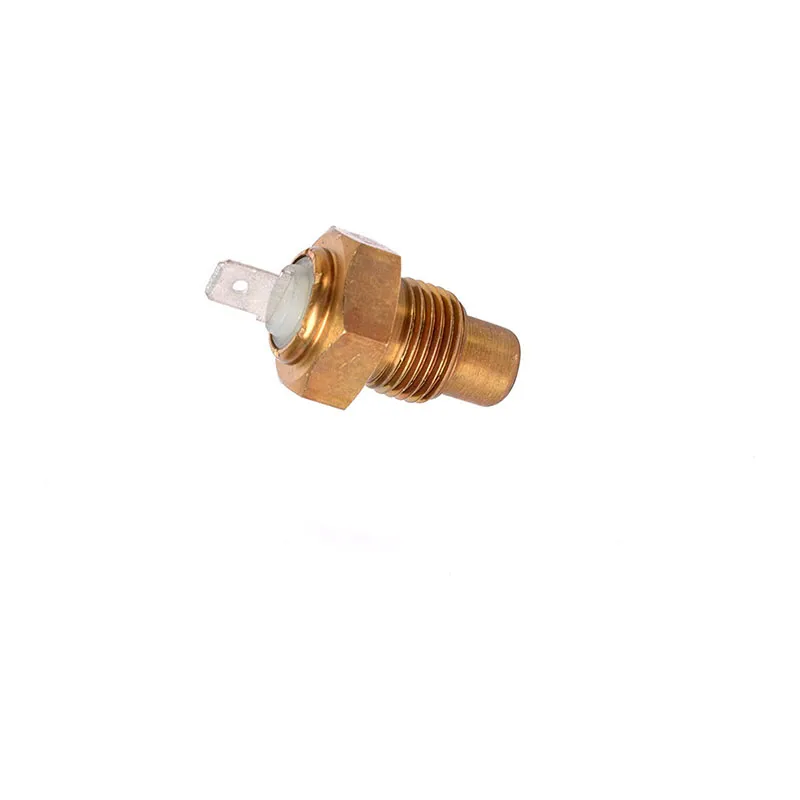
Description
When your temperature gauge starts acting like it has a mind of its own—reading cold when the engine’s hot, bouncing around like a ping-pong ball, or just sitting there doing nothing—chances are this little temperature sender is the culprit. It’s the part that tells your gauge what’s really happening with your coolant temperature, and when it goes bad, you’re flying blind on one of your engine’s most critical measurements.
What You’re Getting
- 5/8″ x 18 UNI thread fits right into your engine block mounting location
- Accurate resistance readings that match your original gauge calibration perfectly
- Durable construction that handles the heat, vibration, and coolant chemicals without giving up
- Direct replacement that works with both mechanical and electronic gauge systems
- Quick response to temperature changes so you get early warning before problems turn expensive
Built for Real Farm Work
These John Deere 20 and 30 series tractors were the backbone of American farming, and the 40 and 50 series continued that tradition of reliable power for everything from cultivating corn to baling hay. Whether you’re running a 2020 on smaller jobs, working fields with a 4020, or pushing a big 4850 through harvest season, keeping an eye on engine temperature is critical when you’re working these machines hard.
Made to Last
This sender is built to handle what farm life throws at it—temperature swings from winter startups to summer heat, constant vibration from field work, and exposure to coolant additives that can corrode lesser parts. The calibrated sensing element gives you consistent, accurate readings so you’ll know immediately if something’s not right under the hood.
Good to Know
Installation is straightforward—thread it into the engine block where the old one came out, but you’ll need to drain some coolant first to avoid a mess. Use thread sealant to prevent leaks, but don’t overdo it since excess sealant can throw off the readings. If your gauge still acts up after installation, check the wire connection and the gauge itself before assuming the new sender is bad.
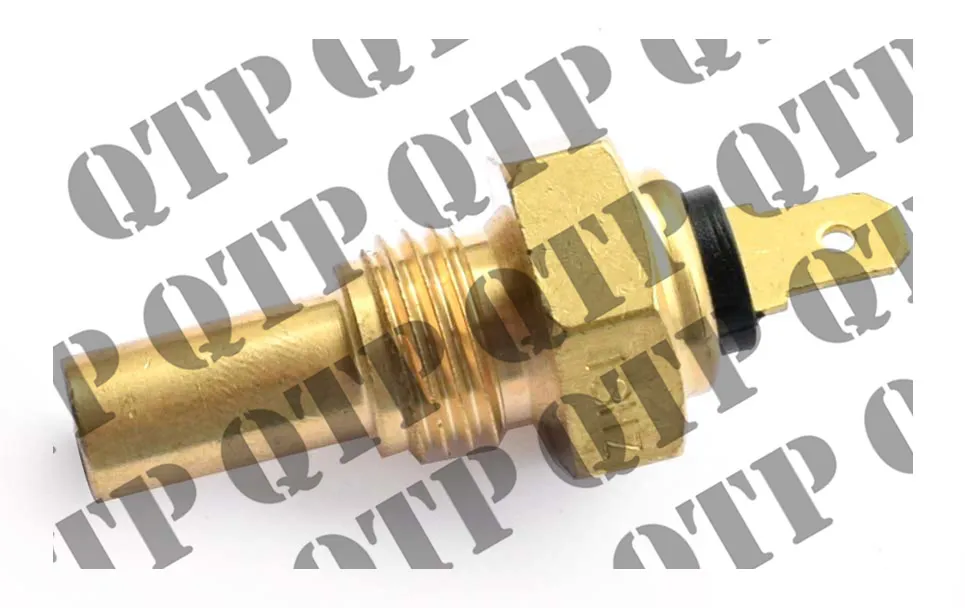
Reviews
There are no reviews yet.