
Description
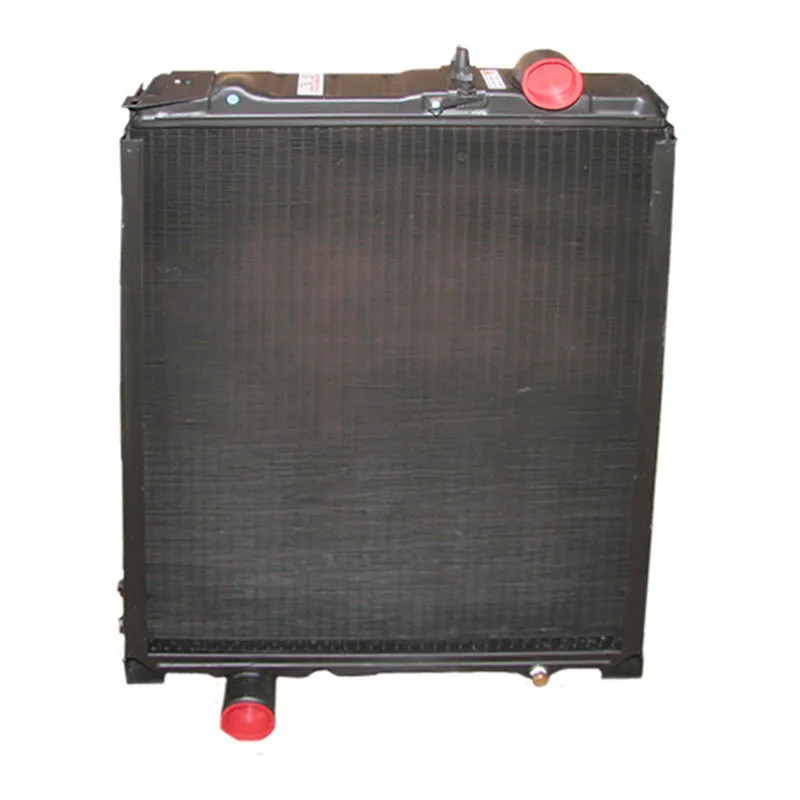
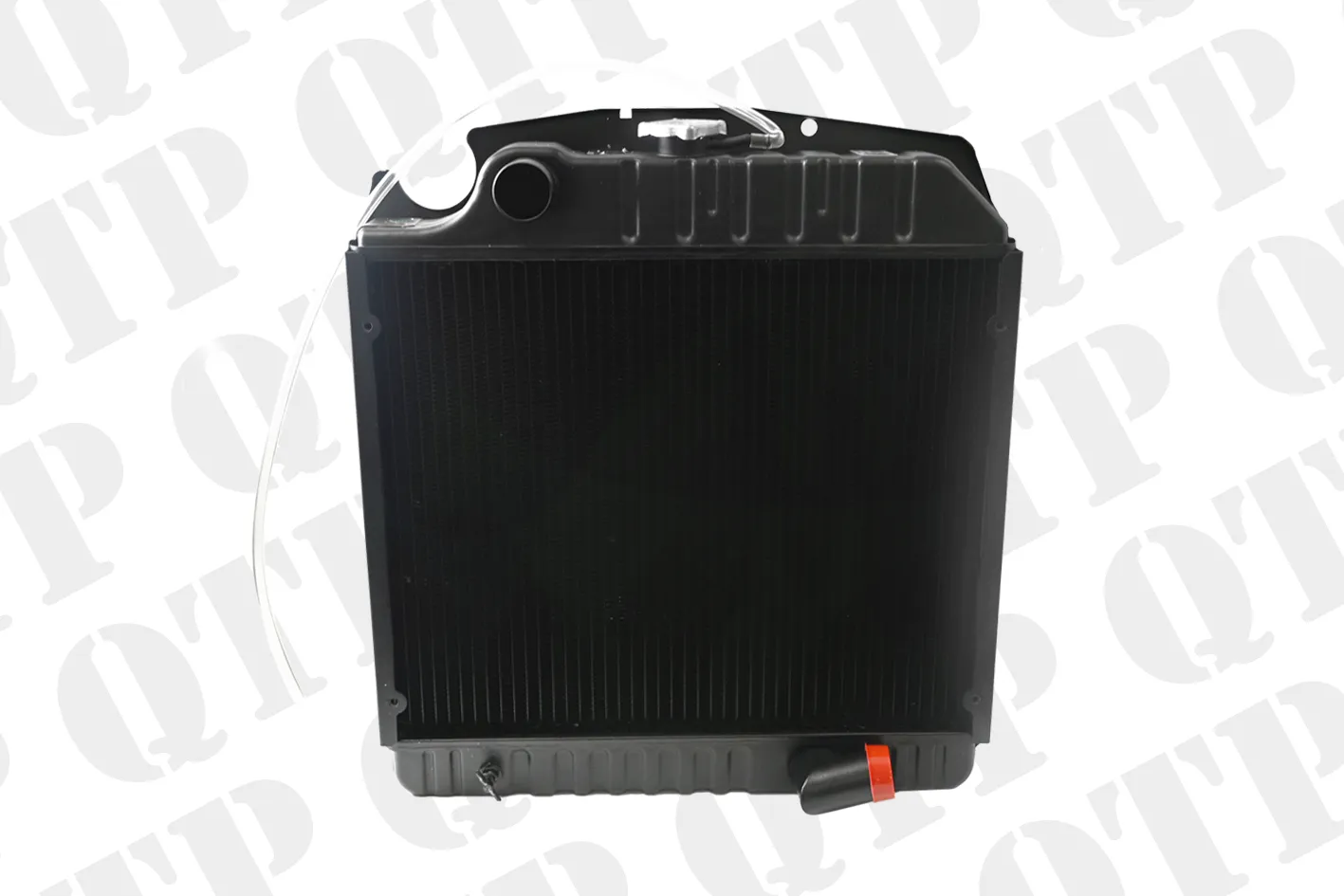
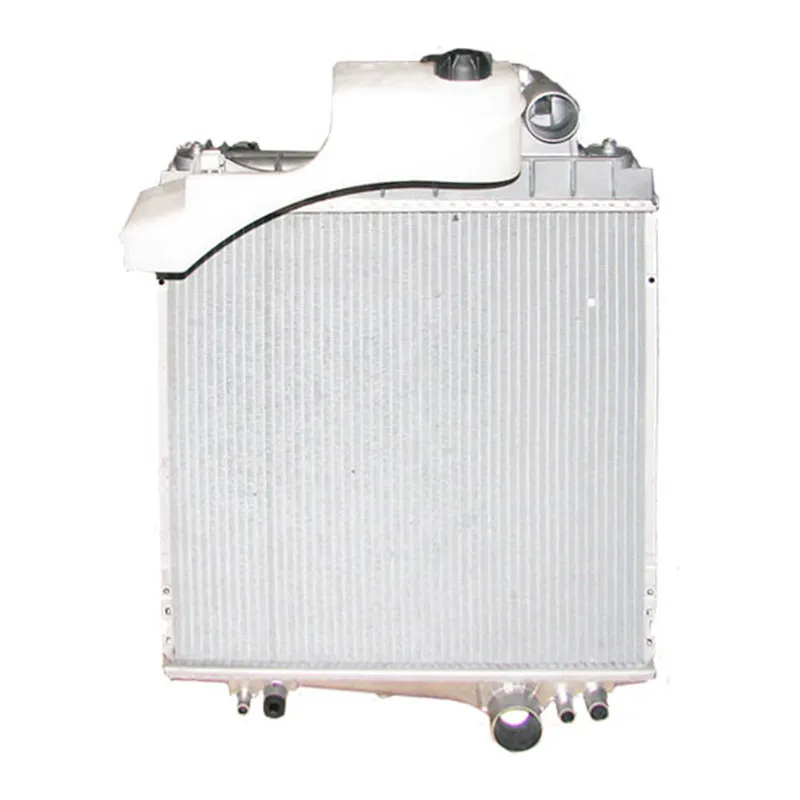
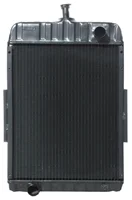
When temperatures start creeping up on your 50 series, you know it’s time to pay attention. A worn radiator shows its age through leaks or poor cooling, and this replacement specifically fits later production John Deere 50 series tractors from serial number 664560 onward with their updated cooling system changes. These tractors received important improvements that make getting the right part crucial—your machine deserves the cooling power it was designed for.
What You’re Getting
- Serial number specific design that’s critical—the wrong radiator simply won’t fit properly
- Enhanced cooling capacity that these specific serial numbers require for reliable operation
- Multi-row core construction that maximizes heat transfer while standing up to field vibration
- Updated header tank design that resists the stress cracking common in earlier models
- All materials built to modern standards for corrosion resistance and thermal efficiency
Built for Real Farm Work
These John Deere 50 series tractors are reliable workhorses that handle everything from plowing to haying, but cooling systems take a beating over the years. Whether you’re pulling heavy implements, running a PTO-driven baler, or working in dusty conditions, this radiator gives you the cooling performance these later production models were designed to have. The mounting points changed with the serial break, so you’re getting exactly what your tractor needs.
Made to Last
This isn’t just any radiator—it’s built to John Deere’s updated specifications for these serial numbers. The reinforced construction handles the constant vibration and temperature cycling that comes with real farm work. Quality materials resist corrosion from road salt, fertilizer dust, and the other harsh conditions your tractor faces every day.
Installation Notes
Before ordering, verify your serial number is 664560 or higher—earlier tractors use different radiators. Compare your old radiator to the new one before proceeding since mounting points changed with the serial break. Take your time transferring sensors and fittings, and don’t skimp on fresh hoses and clamps—it’s false economy to connect old components to your new radiator. A good tip: document everything with photos before removal to make installation smoother.
Reviews
There are no reviews yet.